
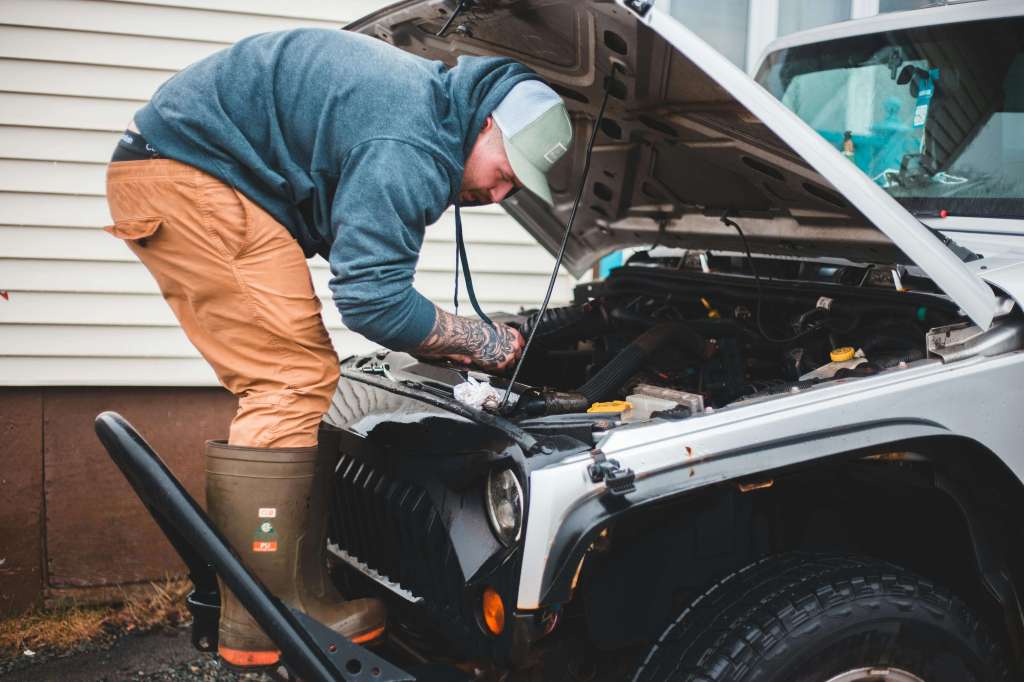
Your car’s engine is its heart, and when something goes wrong, it can lead to costly repairs or even complete failure. Understanding common engine problems and how to fix them can save you time and money while keeping your vehicle running smoothly. Here’s a guide to diagnosing and addressing some of the most frequent engine issues.
1. Engine Overheating
One of the most serious problems your engine can face is overheating. This often happens due to a coolant leak, a failing water pump, or a clogged radiator.
Signs:
- Rising temperature gauge
- Steam coming from the hood
- Burning smell from the engine bay
Fix:
- Check the coolant levels and top off if needed.
- Inspect for leaks in the radiator, hoses, or water pump.
- Replace the thermostat if it’s malfunctioning.
- Ensure the radiator fan is working properly.
2. Check Engine Light On
The check engine light can turn on for a variety of reasons, from minor issues to major problems that need immediate attention.
Signs:
- Illuminated check engine light on the dashboard
- Performance issues such as rough idling or loss of power
Fix:
- Use an OBD-II scanner to read error codes and determine the cause.
- Common issues include faulty oxygen sensors, spark plugs, or catalytic converters.
- If unsure, take the car to a mechanic for further diagnostics.
3. Rough Idling or Stalling
If your car is idling roughly or stalling unexpectedly, there could be issues with the fuel system or air intake.
Signs:
- Shaking or vibrations while idling
- Engine shutting off when stopped
- Poor acceleration
Fix:
- Clean or replace the air filter.
- Check and replace spark plugs if worn out.
- Inspect the fuel injectors for clogging and clean them if necessary.
- Ensure the throttle body is clean and functioning properly.
4. Oil Leaks
Oil leaks can lead to low oil levels, which can cause serious engine damage if not addressed promptly.
Signs:
- Puddles of oil under the car
- Burning oil smell
- Smoke from the engine area
Fix:
- Inspect gaskets, seals, and oil pan for leaks.
- Tighten or replace the oil drain plug.
- Regularly check oil levels and top up as needed.
5. Loss of Power
A sudden loss of power can make your car sluggish and unresponsive, making it difficult to accelerate.
Signs:
- Car struggles to speed up
- Poor fuel economy
- Hesitation or jerking during acceleration
Fix:
- Replace clogged fuel or air filters.
- Check the fuel pump and fuel injectors for blockages.
- Inspect the exhaust system for restrictions, such as a clogged catalytic converter.
6. Engine Knocking Noise
A knocking or ticking noise from the engine can be a sign of serious internal problems.
Signs:
- Metallic knocking or tapping sound
- Decreased performance
- Possible overheating
Fix:
- Use the correct type of fuel to prevent knocking.
- Check and replace spark plugs if needed.
- If the noise persists, it may indicate worn-out bearings or piston damage, requiring professional inspection.
7. Smoke from the Exhaust
The color of the smoke from your exhaust can indicate different engine issues.
Signs:
- Blue smoke: Burning oil
- White smoke: Coolant leak or blown head gasket
- Black smoke: Excess fuel consumption
Fix:
- Replace worn piston rings if oil is burning.
- Check and fix coolant leaks.
- Inspect the fuel injectors for excessive fuel delivery.
Conclusion
Engine problems can be daunting, but knowing the warning signs and how to address them can help you prevent major breakdowns. Regular maintenance, timely repairs, and routine inspections can keep your engine running smoothly for years. If you experience any serious issues, don’t hesitate to seek professional help to avoid further damage.
By staying proactive, you can extend the life of your engine and enjoy a trouble-free driving experience.
 Repair Auto Car
Leave a comment