
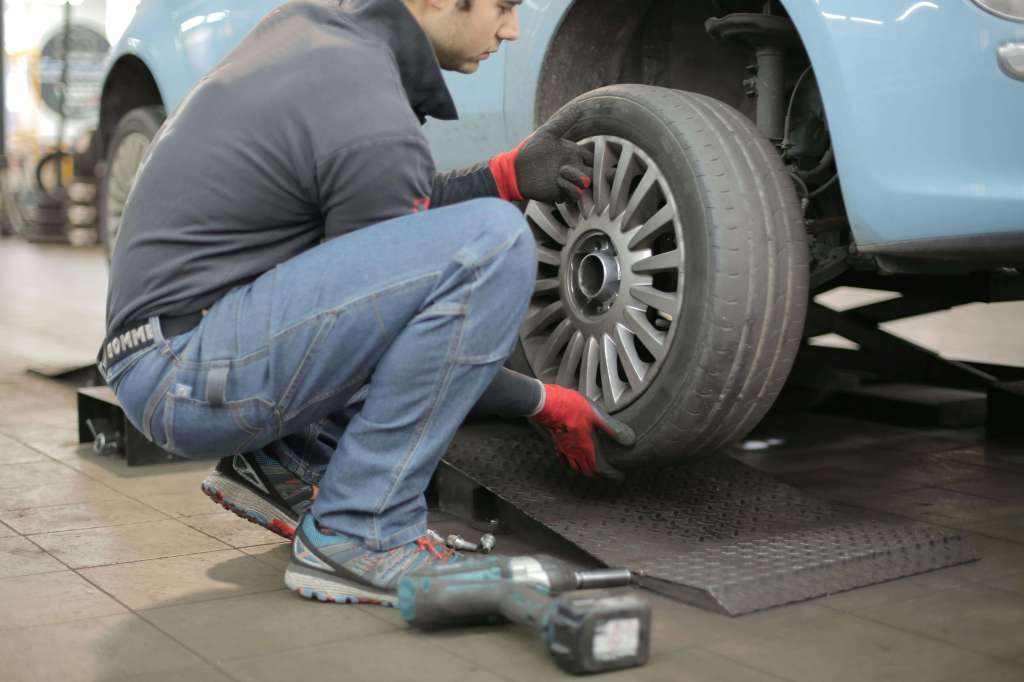
Proper tire maintenance is essential for ensuring safety, longevity, and optimal vehicle performance. Neglecting your tires can lead to poor fuel efficiency, uneven wear, and even hazardous driving conditions. In this guide, we’ll cover the key aspects of tire maintenance, including rotation, alignment, and replacement.
Why Tire Maintenance Matters
Tires are the only part of your vehicle that makes direct contact with the road. Keeping them in top condition enhances traction, improves handling, and prevents premature wear. Regular maintenance not only extends the life of your tires but also ensures a safer driving experience.
Tire Rotation: Why and When?
Tire rotation involves moving tires from one position to another to promote even tread wear. Different driving conditions and weight distribution cause uneven wear, so rotating your tires helps distribute wear more uniformly.
- Why Rotate Tires?
- Extends tire lifespan
- Improves vehicle stability and handling
- Ensures even tread wear for better traction
- How Often?
- Every 5,000 to 8,000 miles (check your vehicle manual for specifics)
- Typically done alongside an oil change for convenience
- More frequently for vehicles with all-wheel drive (AWD)
- Rotation Patterns
- Front-Wheel Drive (FWD): Front tires move to the back, and rear tires move to the front diagonally.
- Rear-Wheel Drive (RWD): Rear tires move forward, and front tires switch sides.
- All-Wheel Drive (AWD) & 4WD: Often require a crisscross pattern to balance wear.
Wheel Alignment: Why It’s Important
Wheel alignment ensures that your tires are positioned correctly relative to the road and vehicle frame. Misaligned wheels can cause uneven tread wear, steering issues, and reduced fuel efficiency.
- Signs of Poor Alignment:
- Uneven or rapid tire wear
- Vehicle pulling to one side
- Vibrations or steering wheel not centered
- When to Get an Alignment?
- After hitting potholes or curbs
- If you notice uneven wear on your tires
- Annually or as recommended by your mechanic
Tire Replacement: Knowing When to Change
No matter how well you maintain your tires, they will eventually need to be replaced. Driving on worn-out tires is dangerous and can lead to blowouts or loss of traction.
- How to Check Tread Wear?
- Penny Test: Insert a penny into the tread with Lincoln’s head down. If you can see all of his head, your tread is too low, and it’s time for a replacement.
- Tread Depth Gauge: A more precise method; replace tires if the tread is below 2/32 of an inch.
- Built-in Tread Wear Indicators: Most tires have small bars within the tread that indicate wear levels.
- Other Signs You Need New Tires
- Cracks or bulges in the sidewall
- Frequent loss of tire pressure
- Excessive vibration while driving
Final Thoughts
Regular tire maintenance, including proper rotation, alignment, and timely replacement, ensures safety and extends tire life. By staying proactive, you can improve fuel efficiency, reduce repair costs, and enjoy a smoother ride. Make tire care a priority, and your vehicle will reward you with better performance and reliability.
 Repair Auto Car
Leave a comment