
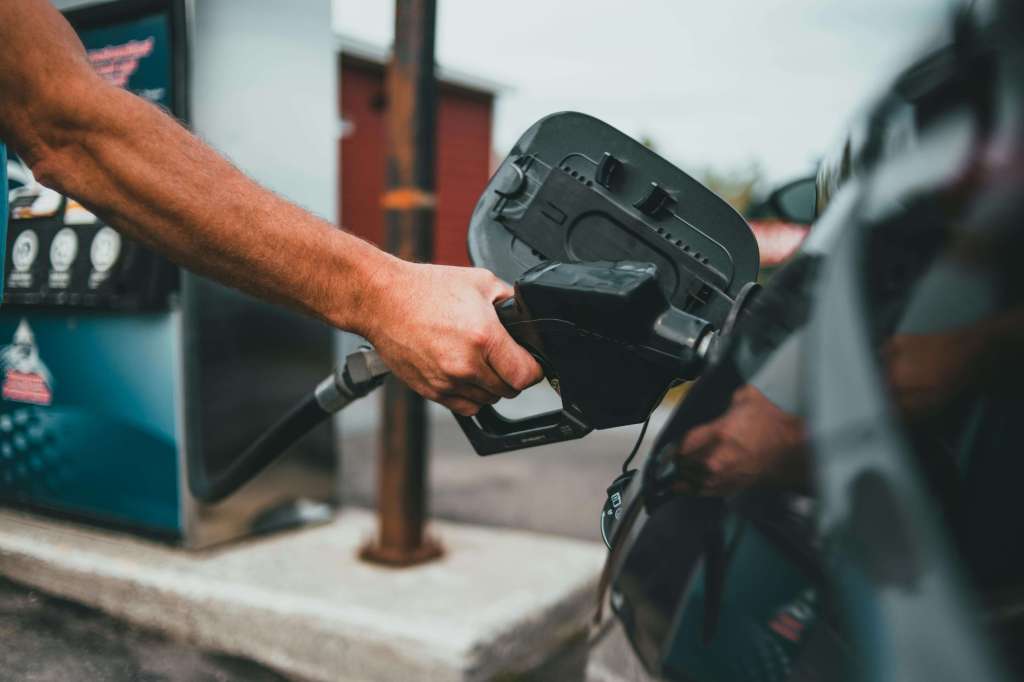
With rising fuel costs and growing environmental concerns, improving fuel efficiency is more important than ever. Proper car maintenance not only extends the life of your vehicle but also helps you get the most miles per gallon. Here are some essential maintenance tips that can help you save gas and money.
1. Keep Your Tires Properly Inflated
Underinflated tires increase rolling resistance, which forces your engine to work harder and consume more fuel. Checking your tire pressure regularly and keeping it at the recommended level can improve fuel efficiency by up to 3%.
Tip: Refer to your vehicle’s manual or the sticker inside the driver’s door for the correct tire pressure.
2. Use the Right Motor Oil
Using the manufacturer-recommended grade of motor oil reduces friction in the engine and enhances efficiency. Low-quality or incorrect oil can cause your engine to work harder, leading to increased fuel consumption.
Tip: Look for motor oils labeled as “energy-conserving” to improve fuel economy.
3. Replace Dirty Air Filters
A clogged air filter restricts airflow to the engine, affecting performance and efficiency. While modern vehicles have sensors that adjust for restricted airflow, replacing your air filter regularly ensures optimal fuel combustion.
Tip: Inspect and change your air filter according to your car’s maintenance schedule.
4. Maintain Your Fuel System
A dirty fuel system can lead to inefficient combustion and wasted fuel. Cleaning your fuel injectors and using quality fuel can help keep your engine running smoothly.
Tip: Consider using a fuel system cleaner periodically and avoid driving with a near-empty tank to prevent sediment buildup.
5. Keep Your Engine Tuned
A well-maintained engine runs more efficiently and consumes less fuel. Regular tune-ups, including checking spark plugs, oxygen sensors, and the ignition system, help optimize fuel efficiency.
Tip: Follow your vehicle’s recommended tune-up schedule to prevent unnecessary fuel waste.
6. Reduce Excess Weight
Carrying extra weight in your vehicle forces the engine to work harder, increasing fuel consumption. Unload unnecessary items from your trunk and remove roof racks when not in use.
Tip: Avoid storing heavy equipment in your car unless necessary to maximize fuel economy.
7. Avoid Prolonged Idling
Idling burns fuel without moving the car, wasting gas and money. Modern engines don’t need long warm-up times, so turning off the engine when parked or waiting for extended periods can save fuel.
Tip: If you anticipate being stationary for more than a minute, turn off your engine.
8. Drive Smoothly and Avoid Aggressive Acceleration
Sudden acceleration, harsh braking, and high-speed driving reduce fuel efficiency. Driving smoothly and maintaining a steady speed can improve gas mileage significantly.
Tip: Use cruise control on highways to maintain consistent speed and optimize fuel use.
9. Ensure Proper Wheel Alignment
Misaligned wheels cause uneven tire wear and increased resistance, making your engine work harder. Regular wheel alignments improve efficiency and extend tire life.
Tip: If your car pulls to one side or your steering wheel vibrates, get your alignment checked.
10. Keep Up with Regular Maintenance Checks
Routine inspections and maintenance, such as checking fluid levels, battery health, and emissions, keep your vehicle running efficiently and prevent fuel waste.
Tip: Stick to your vehicle’s maintenance schedule for long-term savings and improved performance.
Final Thoughts
Improving fuel efficiency through proper car maintenance not only helps save money but also reduces your environmental impact. Simple steps like keeping your tires inflated, changing filters, and driving smartly can make a significant difference. Stay proactive with your car’s upkeep, and you’ll enjoy better mileage and a smoother ride.
 Repair Auto Car
Leave a comment