
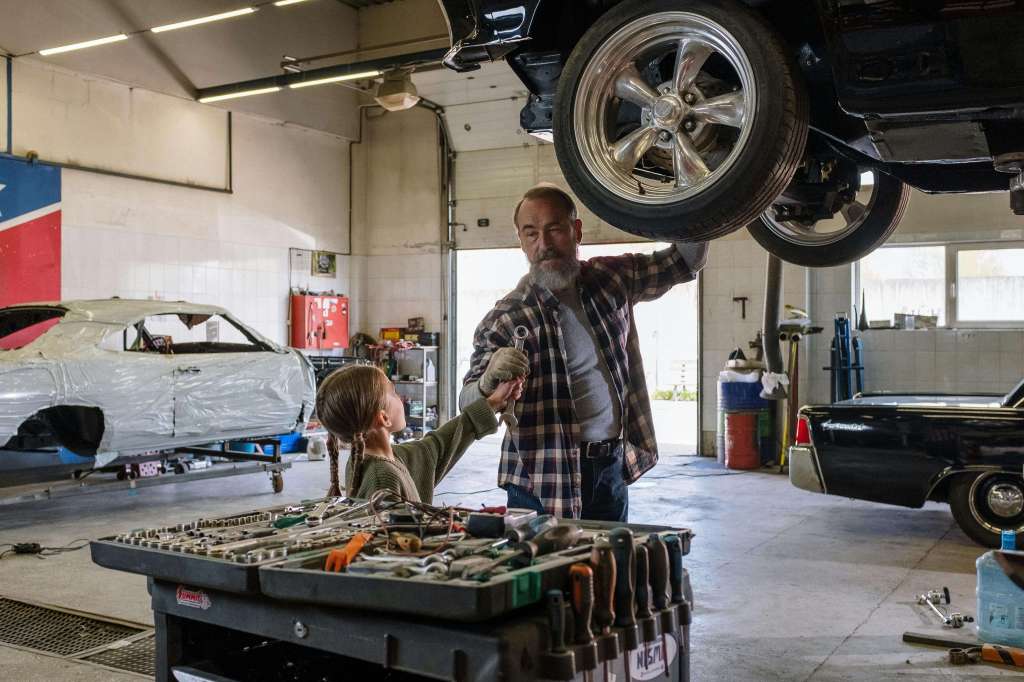
Maintaining your vehicle doesn’t always require a trip to the mechanic. Learning some essential DIY car maintenance skills can save you time and money while keeping your car in peak condition. Here’s a guide to simple repairs and upkeep that every driver should know.
1. Checking and Changing Engine Oil
Why It’s Important:
- Keeps engine components lubricated
- Prevents overheating
- Extends engine life
How to Do It:
- Park on level ground and turn off the engine.
- Locate the dipstick, pull it out, and wipe it clean.
- Insert it back in, pull it out again, and check the oil level.
- If the level is low or the oil appears dirty, drain the old oil and replace it with fresh oil of the recommended type.
2. Replacing Air Filters
Why It’s Important:
- Improves fuel efficiency
- Enhances engine performance
- Reduces emissions
How to Do It:
- Locate the air filter housing (usually near the engine).
- Open the housing and remove the old filter.
- Insert a new air filter and close the housing securely.
- Replace it every 12,000 to 15,000 miles or as recommended by your manufacturer.
3. Checking Tire Pressure and Tread Depth
Why It’s Important:
- Ensures safe driving conditions
- Improves fuel efficiency
- Extends tire life
How to Do It:
- Use a tire pressure gauge to check the air pressure (refer to the recommended PSI in the owner’s manual or on the driver’s door frame).
- If needed, inflate or deflate the tires to the correct pressure.
- Check tread depth using a penny; if Lincoln’s head is visible, it’s time to replace the tires.
4. Changing Windshield Wipers
Why It’s Important:
- Ensures clear visibility during rain or snow
- Prevents streaking and smudging
How to Do It:
- Lift the wiper arm and remove the old blade.
- Attach the new blade following the instructions provided with the wipers.
- Ensure the blade locks into place and test for proper function.
- Replace every 6-12 months or when performance decreases.
5. Replacing Spark Plugs
Why It’s Important:
- Improves engine efficiency
- Ensures smooth ignition
- Reduces fuel consumption
How to Do It:
- Locate the spark plugs in the engine bay.
- Remove the ignition coil or wire connected to the spark plug.
- Use a socket wrench to unscrew the old spark plug.
- Insert a new spark plug and tighten it securely.
- Reattach the ignition coil or wire.
6. Checking and Replacing Brake Pads
Why It’s Important:
- Ensures optimal braking performance
- Prevents damage to rotors
- Enhances road safety
How to Do It:
- Lift the car using a jack and remove the wheel.
- Inspect the brake pads through the caliper.
- If the pads are worn down to less than 1/4 inch, replace them.
- Remove the caliper, slide out the old pads, and insert the new ones.
- Reassemble and test the brakes before driving.
7. Jump-Starting a Car
Why It’s Important:
- Helps you get back on the road in case of a dead battery
- Avoids towing or roadside assistance fees
How to Do It:
- Get a set of jumper cables and a working vehicle.
- Attach the red clamp to the positive (+) terminal of the dead battery.
- Attach the other red clamp to the positive terminal of the working battery.
- Attach the black clamp to the negative (-) terminal of the working battery.
- Attach the last black clamp to an unpainted metal surface on the dead car’s engine.
- Start the working car, then try starting the dead car.
- Once started, let it run for a few minutes before disconnecting the cables in reverse order.
Final Thoughts
By mastering these essential DIY car maintenance skills, you can ensure your vehicle runs smoothly while avoiding unnecessary repair costs. Regular upkeep not only enhances performance but also increases safety and longevity. If you’re ever unsure about a repair, consult your car’s manual or seek professional advice. Happy driving!
 Repair Auto Car
Leave a comment