
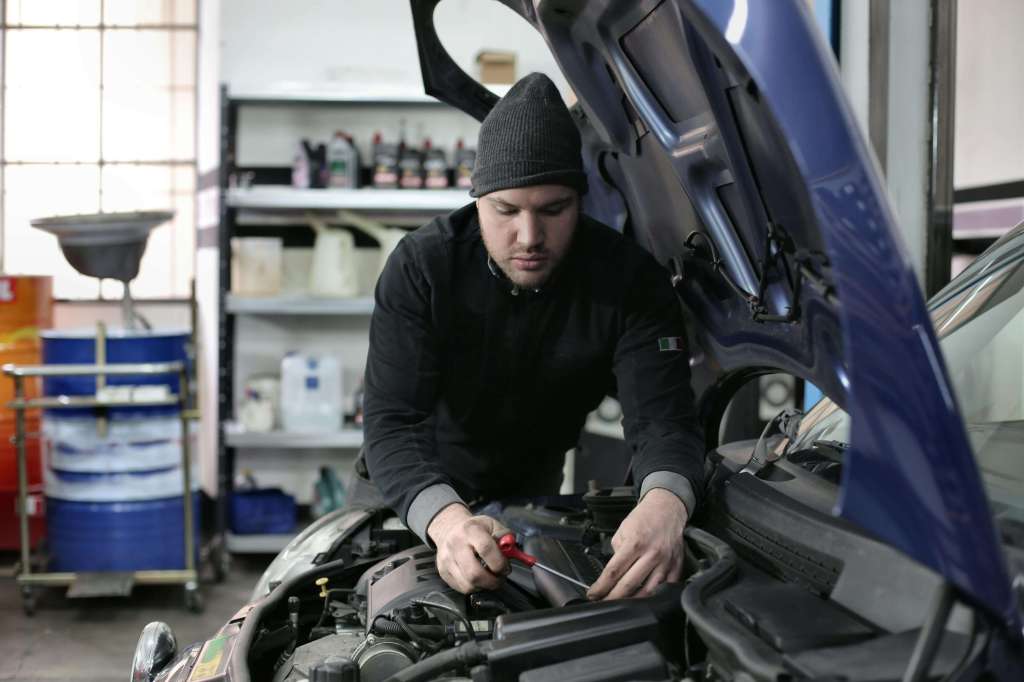
The check engine light is one of the most dreaded warnings a driver can see on their dashboard. It can indicate a minor issue or a serious problem that needs immediate attention. Understanding what triggers the light and how to troubleshoot it can save you time, money, and stress.
Common Causes of the Check Engine Light
- Loose or Faulty Gas Cap
- One of the simplest and most common reasons for the check engine light is a loose or damaged gas cap. A loose cap can cause fuel vapors to escape, triggering the light.
- Solution: Tighten the gas cap or replace it if it’s cracked or worn out.
- Oxygen Sensor Failure
- The oxygen sensor measures the amount of unburned oxygen in the exhaust system. A faulty sensor can reduce fuel efficiency and increase emissions.
- Solution: Have a mechanic diagnose and replace the sensor if necessary.
- Faulty Spark Plugs or Ignition Coils
- Worn-out spark plugs or ignition coils can cause misfires, leading to poor engine performance and reduced fuel efficiency.
- Solution: Replace spark plugs and ignition coils as part of regular maintenance.
- Mass Airflow Sensor (MAF) Malfunction
- The MAF sensor helps regulate the air-fuel mixture. A faulty sensor can cause rough idling, decreased acceleration, and poor fuel economy.
- Solution: Clean or replace the MAF sensor if it’s malfunctioning.
- Catalytic Converter Issues
- The catalytic converter helps reduce harmful emissions. If it’s failing, it can cause sluggish performance, increased fuel consumption, and a persistent check engine light.
- Solution: If a catalytic converter is failing, it typically needs replacement.
- Battery or Alternator Problems
- A weak or failing battery or alternator can trigger the check engine light due to voltage fluctuations affecting engine components.
- Solution: Test and replace the battery or alternator as needed.
How to Troubleshoot the Check Engine Light
- Check for a Loose Gas Cap
- If the light comes on shortly after refueling, check and tighten the gas cap. Drive for a few miles to see if the light turns off.
- Use an OBD-II Scanner
- An On-Board Diagnostics (OBD-II) scanner can help identify trouble codes stored in the vehicle’s computer system. These codes provide insight into the issue.
- Solution: Purchase or borrow an OBD-II scanner, connect it to your car’s diagnostic port, and look up the trouble codes online or in the vehicle’s manual.
- Observe Vehicle Performance
- If the check engine light is steady and the car runs normally, the issue may not be urgent, but it should still be diagnosed soon.
- If the light is flashing and the engine runs poorly, stop driving immediately to prevent further damage.
- Reset the Check Engine Light
- Some minor issues resolve themselves after fixing the root cause. You can reset the light using an OBD-II scanner or disconnecting the battery for a few minutes.
- If the light returns, further investigation is needed.
When to See a Mechanic
- If the check engine light is flashing, indicating a severe issue like a misfire.
- If there is a noticeable drop in performance, unusual noises, or strange odors.
- If the check engine light stays on after troubleshooting common issues.
Final Thoughts
While the check engine light can be alarming, understanding its causes and troubleshooting methods can help you determine whether it’s a minor issue or a serious repair. Regular vehicle maintenance and timely repairs can prevent many common problems that trigger this warning. If in doubt, seek professional help to diagnose and fix the issue efficiently.
 Repair Auto Car
Leave a comment